Chance: The History and Evolution of the Fragrance Collection
Origins and Launch
Launched in 2002, Chanel Chance marked a new direction for the French fashion house's fragrance portfolio. Created by Jacques Polge, Chanel's in-house perfumer from 1978 to 2014, the original Chance was conceived as a more spontaneous, youthful expression of the house's identity. Its name, meaning “chance” or “luck” in French, reflected Gabrielle “Coco” Chanel's lifelong fascination with fortune, destiny and the opportunities that shape an individual's life.
Chance introduced a distinctive visual departure from Chanel's established fragrance design. Whereas Chanel No. 5 and many of the house's other perfumes were presented in rectangular bottles, Chance arrived in a round, transparent flacon encircled by a silver-coloured metal ring. The circular silhouette became the collection's defining design feature, suggesting movement, continuity and the unpredictable nature of luck. Chanel's artistic director Jacques Helleu was responsible for the bottle's design.
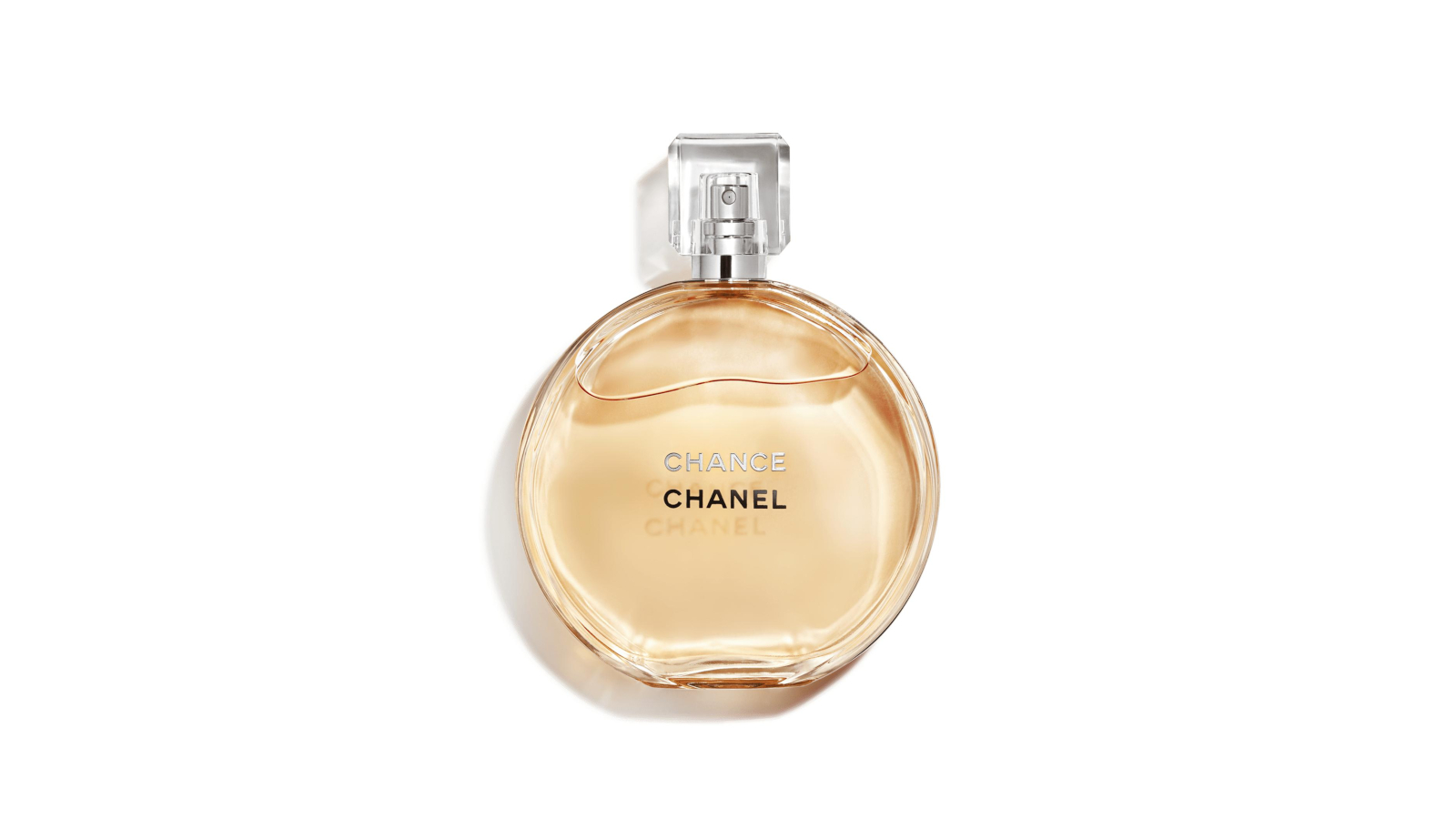
The original CHANCE Eau de Toilette, introduced in 2002, established the collection's signature circular bottle design
The fragrance was officially presented to the international market in 2003, with British Vogue reporting its launch on 4 April that year. The distinction between the perfume's 2002 creation and its subsequent commercial introduction appears in contemporary accounts of the launch.
The Original Chance Eau de Toilette (2002)
Jacques Polge created the original Chance Eau de Toilette as a floral chypre composition combining freshness, spice, fruit and a substantial patchouli foundation. Its published note pyramid includes pink pepper, pineapple, hyacinth and iris, followed by jasmine, rose and lemon, with patchouli, musk, vetiver and vanilla in the base. The resulting structure balances sparkling, slightly tart fruitiness against earthy woods and a soft, sensual floral character.
The composition was significant within Chanel's portfolio because it offered a less formal alternative to the house's more established fragrances without abandoning the complexity associated with French perfumery. Its combination of patchouli, iris, pink pepper and fruit gave it a recognisable chypre character while making the overall effect more energetic and accessible.
Contemporary British Vogue described Chance as a possible rival to Chanel No. 5 and noted that it was intended for “young women who dare.” The launch positioned the fragrance as a modern interpretation of Chanel's heritage rather than a direct reproduction of its earlier successes. The campaign also connected the name with Coco Chanel's belief in luck, presenting chance as an attitude towards life rather than simply an event beyond one's control.
Advertising and Brand Identity
The original advertising campaign was created by French photographer, graphic artist and film director Jean-Paul Goude and filmed in Venice in 2002. Chanel's retrospective history identifies the film, titled Venise, as a key part of the launch. Its association with Venice gave the campaign a dreamlike, cinematic setting, while the circular bottle and the concept of luck supplied the collection with a coherent visual identity.
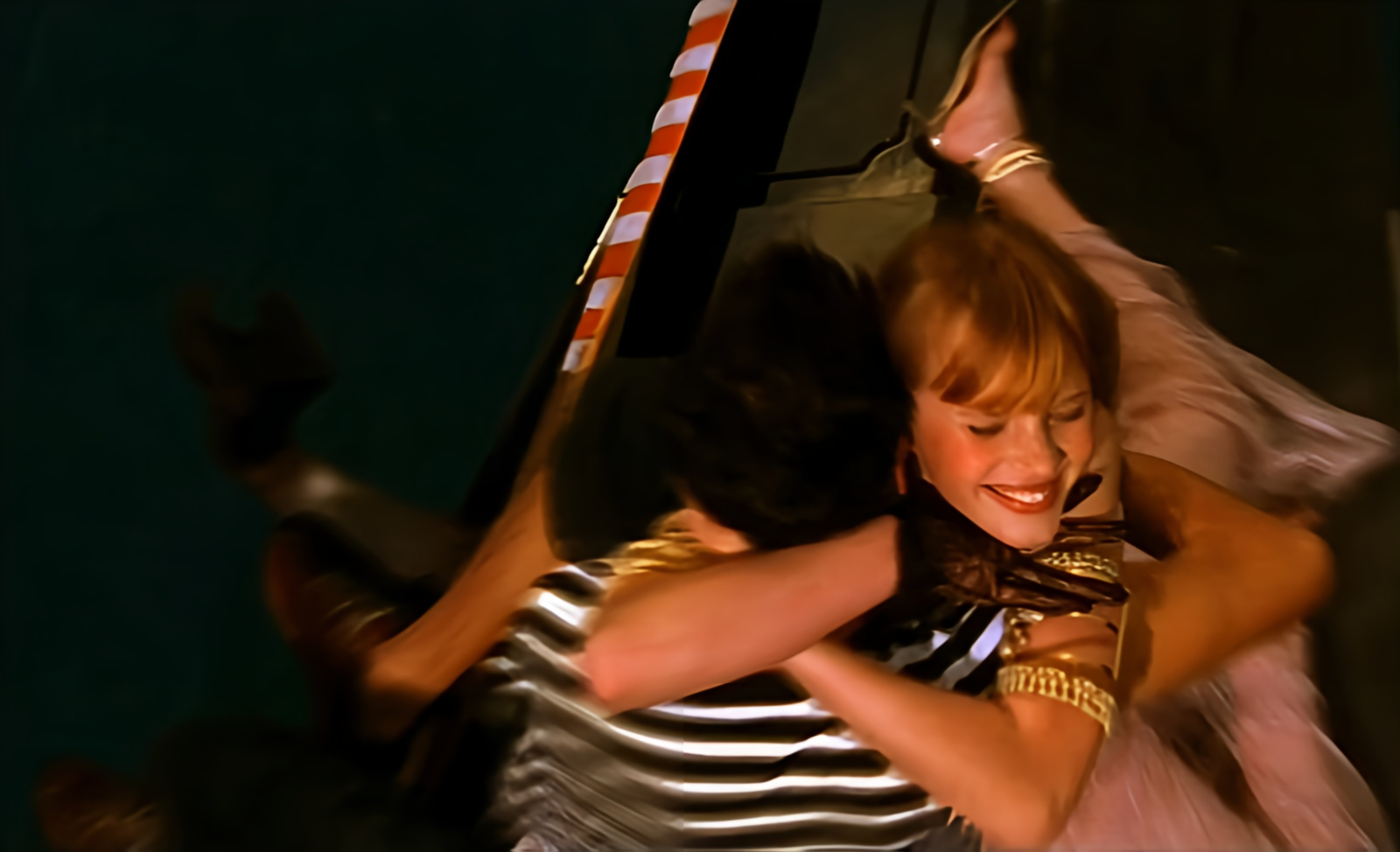
A still from the original CHANEL CHANCE advertising film “Venise,” directed by Jean-Paul Goude in 2002
The original fragrance was also associated with model Anne Vyalitsyna, whose appearance helped communicate the youthful positioning of the launch. Rather than relying exclusively on the established codes of luxury, the campaign presented Chance as expressive, dynamic and connected with the possibility of new beginnings. This approach allowed Chanel to address a younger audience while retaining the prestige and visual restraint of the house.
As the collection expanded, colour became an increasingly important part of its communication. Different shades distinguished the flankers while preserving the round bottle: green for Eau Fraîche, pink for Eau Tendre, orange for Eau Vive and, later, violet for Eau Splendide. The resulting family resemblance made the fragrances immediately identifiable as members of the same collection, even though their compositions differed considerably.
Early Flankers
Chance Eau Fraîche (2007)
Chanel introduced Chance Eau Fraîche in 2007, with Jacques Polge again responsible for the composition. The green-accented flanker translated the original fragrance's lively character into a fresher, more distinctly woody and citrus-driven structure.
Its published notes include lemon, citron and cedar at the opening, followed by water hyacinth, pink pepper and jasmine. White musk, patchouli, vetiver, teak wood, iris and amber form the base. The contrast between bright citrus and dry woods gives Eau Fraîche a brisker profile than the original Chance, while patchouli and musk maintain a connection with the collection's earthy, sensual foundations.
Eau Fraîche broadened the range beyond the original's floral-chypre emphasis. Its fresh, woody construction made it particularly distinct within the family and established a formula that could be interpreted in different ways through later concentrations and related products.
Chance Eau Tendre (2010)
Chance Eau Tendre, launched in 2010, introduced a softer, fruitier and more delicate interpretation of the Chance concept. Created by Jacques Polge, it was built around a floral-fruity accord, with grapefruit and quince among the opening notes, jasmine in the heart, and white musk in the base. This combination gives the fragrance a luminous, gently sweet character, with the crispness of fruit balanced by airy florals and a clean musky finish.
Eau Tendre's pastel-pink presentation reinforced its position as the gentlest and most romantic member of the original group. Its appeal lay in its relatively transparent structure rather than the more pronounced patchouli and woody character of the original Chance and Eau Fraîche.
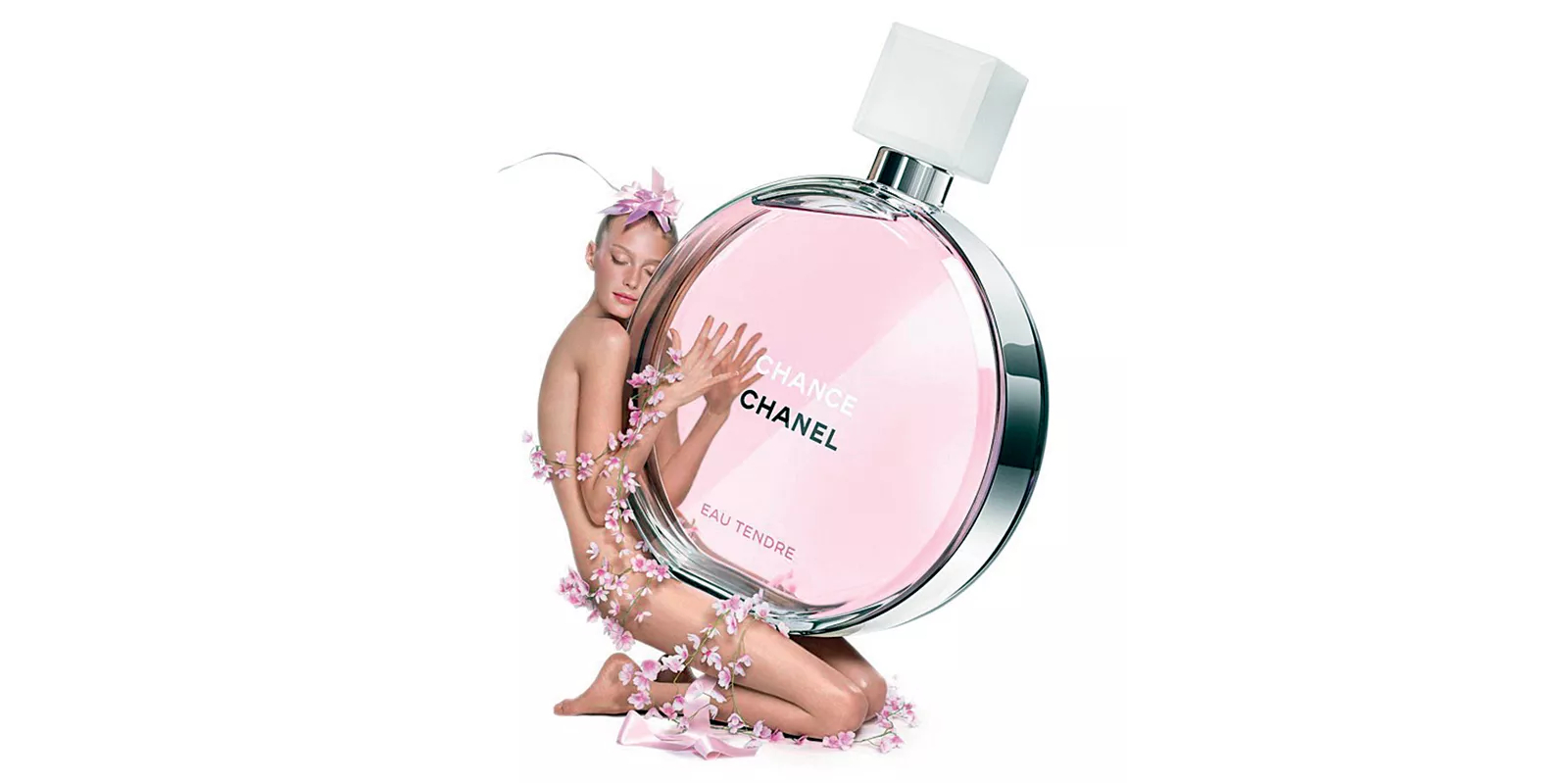
CHANCE EAU TENDRE, launched in 2010, is distinguished by its pink-tinted bottle and its soft floral-fruity fragrance profile
The fragrance subsequently became one of the collection's central variations. In 2019, Chanel introduced Chance Eau Tendre Eau de Parfum, expanding the interpretation into a more concentrated format. The Eau de Parfum retained the fragrance's floral-fruity identity while placing greater emphasis on rose and jasmine, supported by a musky-woody base. The distinction between the Eau de Toilette and Eau de Parfum is important: they are related interpretations, not simply different bottle sizes of an identical formula.
Chance Eau Vive (2015)
Launched on 12 June 2015, Chance Eau Vive was the first major Chance flanker composed by Olivier Polge, who succeeded his father, Jacques Polge, as Chanel's in-house perfumer in 2015. It introduced a more explicitly citrus-led interpretation of the collection, presented in a bottle with orange accents.
The composition opens with grapefruit, blood orange and other citrus notes, followed by jasmine and white musk. Vetiver, cedar and iris form the base, producing a clean, gently woody finish. Compared with Eau Tendre's soft fruitiness, Eau Vive is brighter and more tart, with the bitterness of grapefruit and the juicy quality of blood orange providing its central contrast.
Jean-Paul Goude directed the advertising film for Eau Vive, continuing his collaboration with Chanel. The campaign used a fictional bowling alley and a group of young women to translate the perfume's name into a playful narrative about taking risks. The central character picks up a Chance bottle instead of a bowling ball and makes her attempt under the watchful eyes of the other women. Vogue India described the film as “playful” and “whimsical,” interpreting its fantasy-driven imagery as an expression of the fragrance's energy and spontaneity.
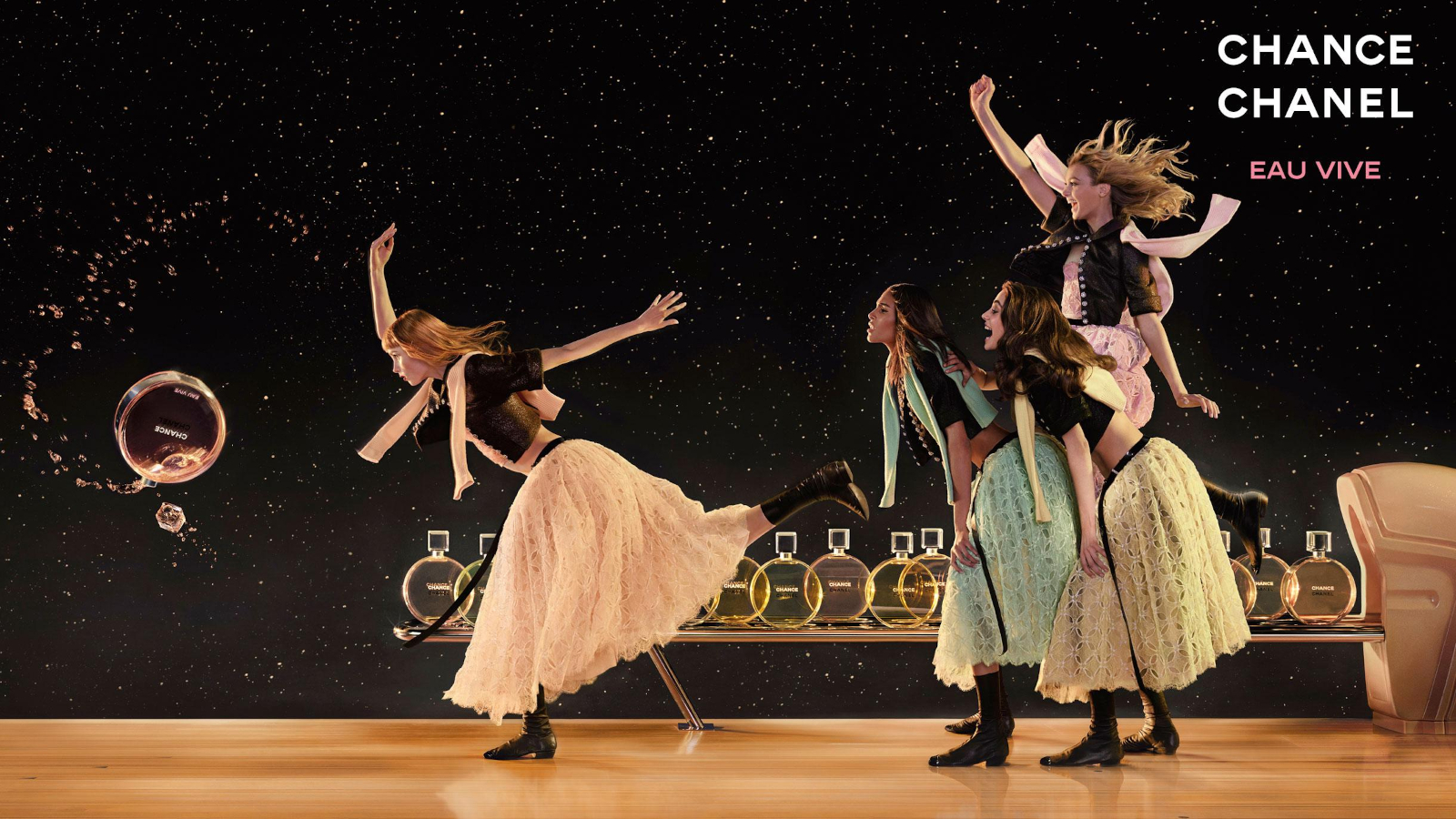
Models in Jean-Paul Goude's 2015 CHANCE EAU VIVE campaign, which transformed perfume bottles into props in a playful bowling-inspired scene
Critical Reception of the Early Flankers
Reviews of Chance's flankers have frequently distinguished between their accessibility and their originality. In a July 2015 review, independent perfume critic Persolaise praised Eau Vive's convincing grapefruit character and well-groomed jasmine, describing it as the liveliest member of the original trio. However, the critic also argued that its polished, broadly appealing construction did not deliver the innovation or memorability that specialist fragrance enthusiasts might expect from Chanel.
A review published by Now Smell This in August 2015 similarly found Eau Vive fresher and less sweet than the original Chance, while questioning its longevity on skin. The same review characterised Eau Tendre as a sheer, soft fragrance, but noted that its performance was relatively weak on the reviewer. Such assessments illustrate a recurring distinction in commentary on the collection: its lightness and wearability are appreciated by some reviewers, while others regard the same qualities as limiting its complexity or persistence. These are individual evaluations rather than universal findings.
Chance Eau Splendide (2025)
In 2025, Chanel expanded the collection with Chance Eau Splendide, an Eau de Parfum created by Olivier Polge. Released in April 2025, it was the first new women's fragrance from Chanel in eight years, according to the house's subsequent corporate reporting. The launch also marked a new stage in the collection's development, introducing a violet-coloured presentation and a more pronounced red-fruit character.
Eau Splendide opens with a raspberry accord accompanied by red fruits, rose, violet and peach. Its heart combines rose geranium with iris, while cedar and white musk provide the base. The raspberry accord is central to the composition: Polge explained that he was drawn to its combination of red-fruit and peach-like qualities, together with its natural rosy and violet nuances. The fragrance also incorporates rose geranium cultivated in Chanel's fields in Grasse, linking the new release with the house's longstanding emphasis on selected perfumery ingredients.

Olivier Polge and Angèle explore rose geranium essence, an ingredient associated with the development of CHANCE EAU SPLENDIDE
Advertising and Reception
Belgian singer-songwriter Angèle became the face of Eau Splendide. The launch campaign included the song A Little More, written and performed by Angèle specifically in connection with the fragrance. This musical element extended the Chance advertising strategy beyond conventional perfume imagery, linking the launch to a contemporary pop artist while maintaining the collection's themes of movement, optimism and self-determination.
Critical reception was mixed. Harper's Bazaar presented the fragrance as a bright, fruity and optimistic addition to the collection, while ELLE highlighted the distinctive role of rose geranium and the balance between its fruity opening and floral-woody base. In contrast, a review published by Fragrantica in April 2025 criticised the opening's sharp berry character and questioned the composition's originality, comparing its overall impression unfavourably with other contemporary fruity-floral perfumes.
These contrasting responses demonstrate that Eau Splendide's defining features—its vivid fruit accord, youthful brightness and polished floral structure—can be interpreted either as strengths or as signs of familiarity within the modern designer-fragrance market.
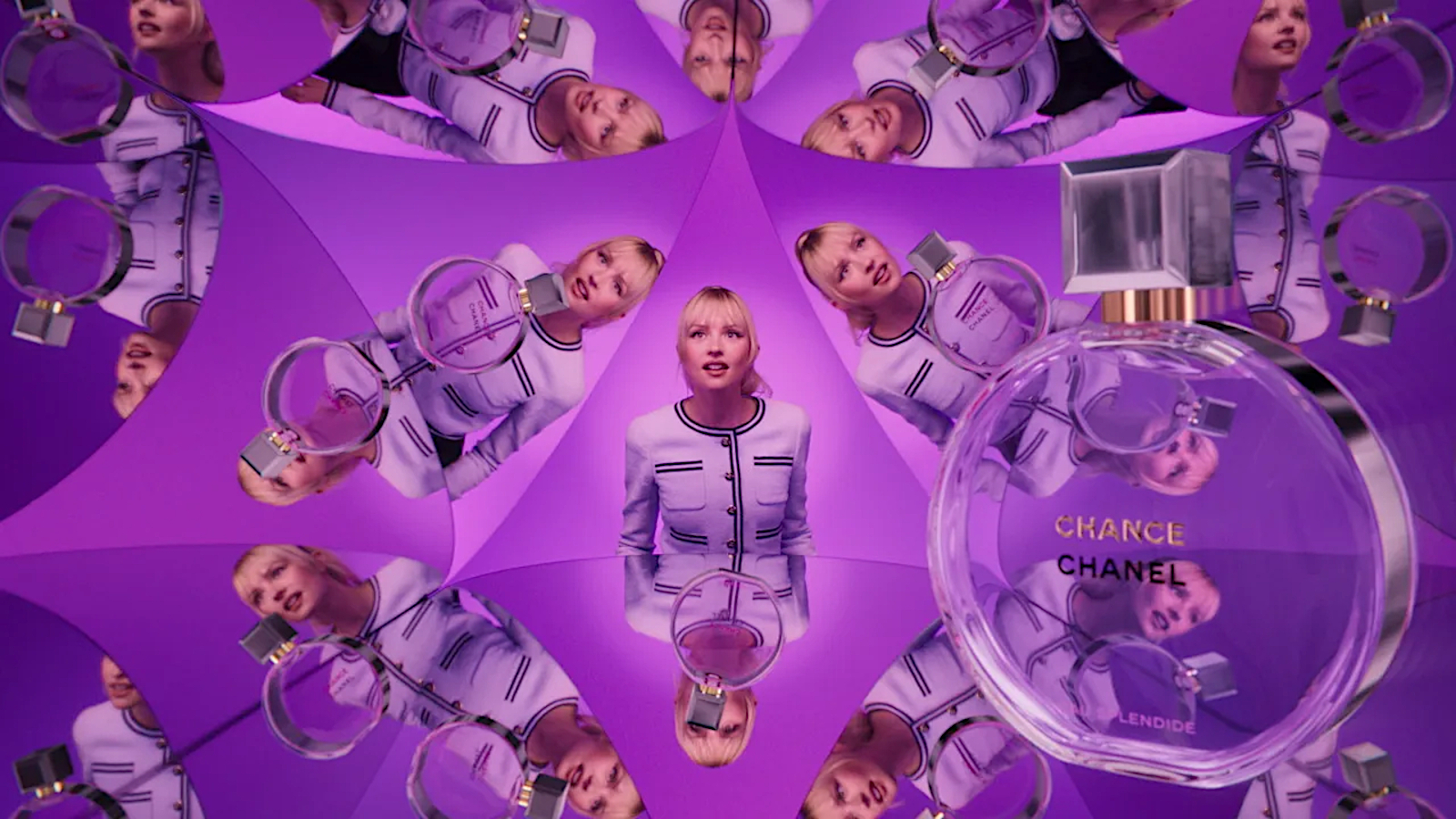
Belgian singer-songwriter Angèle stars in the 2025 CHANCE EAU SPLENDIDE campaign, directed by Jean-Pierre Jeunet
The Collection's Development and Significance
The history of Chance is not simply a sequence of lighter versions of a single perfume. Each major release has developed a distinct olfactory direction while retaining the round bottle and the conceptual association with luck.
-
Chance Eau de Toilette (2002): a floral chypre combining patchouli, pink pepper, fruit, iris and musk.
-
Chance Eau Fraîche (2007): a citrus-woody interpretation with lemon, cedar, water hyacinth, vetiver and patchouli.
-
Chance Eau Tendre (2010): a soft floral-fruity fragrance centred on grapefruit, quince, jasmine and white musk.
-
Chance Eau Vive (2015): a bright citrus composition built around grapefruit, blood orange, jasmine and woods.
-
Chance Eau Splendide (2025): a fruity-floral Eau de Parfum featuring raspberry, rose geranium, iris, cedar and white musk.
The collection has also extended beyond its principal fragrances through different concentrations, hair mists and body products. These formats have allowed Chanel to maintain a consistent visual and conceptual identity across a broader range of fragrance experiences.
Chance occupies a particular position in Chanel's portfolio: it retains the house's emphasis on composition and presentation but communicates it through a more colourful, contemporary and playful vocabulary than the restrained packaging associated with Chanel No. 5. Its advertising has consistently connected fragrance with personal agency, from the original Venetian campaign to the bowling-alley fantasy of Eau Vive and Angèle's musical collaboration for Eau Splendide.
The collection's longevity is therefore attributable not to a single recurring formula, but to a recognisable framework within which different perfumers and successive generations of the house have explored contrasting interpretations of freshness, fruit, florals, woods and musk.